What Modern Manufacturing Really Looks Like
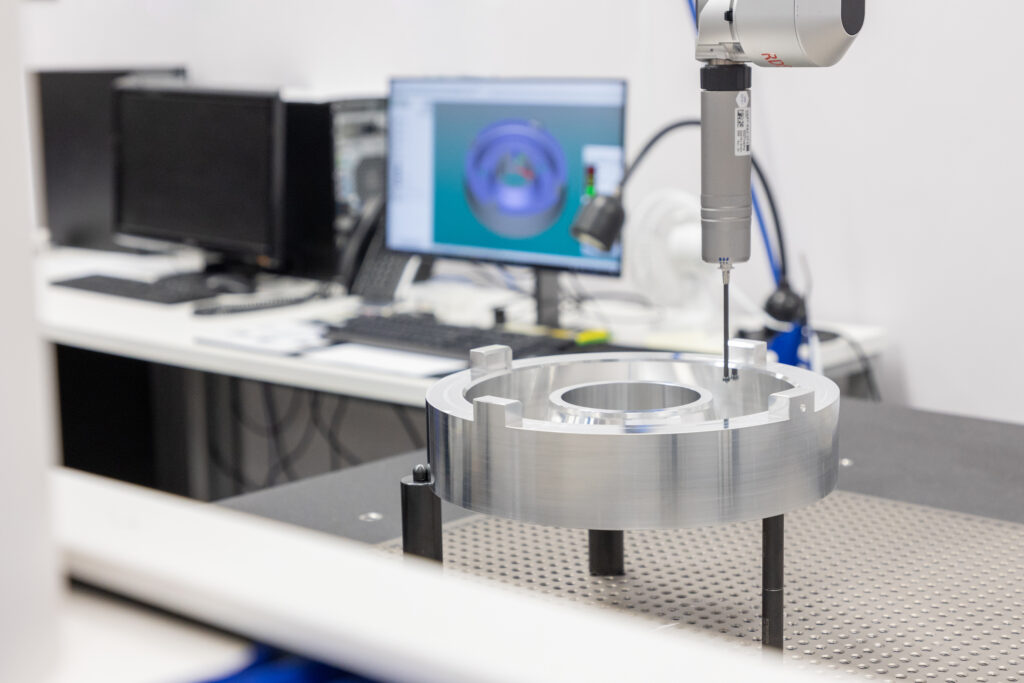
How Engineering, Electrification, and Precision Manufacturing Are Redefining Modern Industry
When most people hear modern manufacturing, they still picture something outdated—factory floors, repetitive tasks, and work far removed from innovation. It’s a perception that hasn’t kept up with reality.
Today, modern manufacturing looks much more like engineering than assembly. It’s where advanced technology, automation, and precision manufacturing come together to build high-performance systems used in real-world applications. From aerospace manufacturing to next-generation electrification systems, the work being done is complex, technical, and constantly evolving.
In industries like aerospace, the stakes are high. The components being produced aren’t just parts—they’re critical to systems that demand reliability, accuracy, and consistent performance. Every decision, from design to production, directly impacts how those systems operate in the field.
What sets modern manufacturing apart is the level of thinking behind it. It’s not just about how something is made—it’s about how it performs, how it integrates, and how it holds up under pressure.
This is the reality of modern manufacturing today: a field driven by engineering expertise, advanced systems, and precision at every level. And for the people working in it, that means being part of something far more innovative—and far more impactful—than most expect.
How Electrification Is Transforming Modern Manufacturing
One of the biggest forces shaping modern manufacturing today is the shift toward electrification systems. Across industries—especially in aerospace manufacturing and defense—there is growing demand for more efficient, controllable, and high-performance technologies. At the center of that shift are electric motors.
Electric motors are no longer simple components. They are essential to how modern systems operate, enabling everything from actuation and control to overall system performance. As electrification continues to expand, motors are playing a larger and more complex role in the systems they support.
This shift is changing what modern manufacturing requires. It’s no longer enough to build a product that simply functions. Today’s applications demand high-performance solutions that integrate seamlessly into larger systems and perform consistently under demanding conditions. That requires a deeper level of engineering, tighter coordination between design and production, and a stronger focus on precision manufacturing.
For the people working in this space, that means solving real-world challenges that go beyond the component level. Modern manufacturing is increasingly about understanding how everything connects—how one part influences an entire system.
As electrification continues to grow, so does the need for manufacturers who can think beyond production and focus on performance, reliability, and system-level impact.
The Role of Electric Motors in Aerospace Manufacturing
In modern manufacturing, especially within aerospace manufacturing, the focus has shifted from individual components to fully integrated systems. Electric motors are a key part of that shift. They are no longer standalone parts—they operate within complex systems where performance, reliability, and precision must align.
In aerospace applications, motors support functions like actuation, control, and system movement. These are not low-stakes environments. The components being produced are part of systems where consistency and accuracy are critical. Even small variations can affect overall performance, which is why expectations are so high.
This is where precision manufacturing becomes essential. Every motor must be built to exact specifications so it can perform reliably within a larger system. Design, materials, and production all need to work together to ensure consistent results.
What makes this level of manufacturing different is the mindset behind it. It’s not just about producing a part—it’s about understanding how that part functions within a system. That requires a combination of engineering knowledge, technical skill, and attention to detail.
In today’s environment, modern manufacturing and aerospace manufacturing are closely connected. Both rely on precision, system-level thinking, and a commitment to performance that leaves little room for error.
Why Precision Manufacturing Matters More Than Ever
As modern manufacturing continues to advance, precision manufacturing has become a baseline requirement. In industries like aerospace manufacturing, where systems depend on exact performance, even small inconsistencies can have a measurable impact.
Electric motors are a clear example. Their performance depends on tight tolerances, consistent winding, and careful material selection. Every step in the process influences how the motor operates within larger electrification systems, from efficiency and thermal performance to long-term reliability.
This level of precision doesn’t happen by chance. It requires a controlled process, attention to detail, and a strong connection between engineering and production. Components must not only meet specifications but do so consistently across every unit.
For those working in modern manufacturing, this means focusing on accuracy and repeatability at every stage. It’s about understanding how small details contribute to larger outcomes—and how precision directly supports system performance.
In today’s environment, precision manufacturing is what makes high-performance systems possible. It ensures that every component does exactly what it’s designed to do, especially in applications where reliability matters most.
The Talent Driving Modern Manufacturing
Behind every advancement in modern manufacturing is a team of people solving complex problems every day. From engineers to technicians to skilled operators, the work requires more than just technical ability—it requires critical thinking, adaptability, and attention to detail.
In environments like aerospace manufacturing, the expectations are high. Teams are responsible for building components that must perform consistently in demanding conditions. That means understanding not just the process, but the purpose behind the work—how each part contributes to a larger system.
This is where precision manufacturing becomes a shared responsibility. It’s not owned by one role or department. It’s the result of collaboration between design, engineering, and production teams working toward the same outcome: performance and reliability.
For those entering the field, modern manufacturing offers something many industries don’t—a direct connection between the work you do and the impact it has. You’re not just completing tasks; you’re contributing to systems that operate in real-world, high-stakes environments.
As manufacturing continues to evolve, so does the need for people who can think beyond the job in front of them. The future of modern manufacturing will be shaped by those who can combine technical skill with problem-solving—and who are motivated to build something that truly matters.
Modern Manufacturing in Action at Windings
At Windings, modern manufacturing is not a concept—it’s how work gets done every day. The focus goes beyond production to include advanced engineering, system-level thinking, and the ability to deliver reliable performance in demanding environments.
Specializing in aerospace manufacturing and defense applications, Windings builds electric motors that are designed for mission-critical use. These are not off-the-shelf components. Each solution is developed with a clear understanding of how it will function within larger electrification systems, where performance, integration, and reliability all matter.
This is where precision manufacturing plays a central role. Every motor must meet exact specifications, not just once, but consistently. That requires tight coordination between engineering and production, as well as a disciplined approach to quality and validation.
What sets Windings apart is the ability to solve complex challenges alongside customers. Projects often involve unique requirements, evolving specifications, and high expectations. Success depends on collaboration, technical expertise, and a shared commitment to getting it right.
For the people doing the work, that means being part of something meaningful. It’s an environment where engineering meets execution, and where the results support real-world systems that demand performance.
At its core, this is what modern manufacturing looks like in practice: precision-driven, engineering-focused, and built around delivering results where they matter most.
Why Modern Manufacturing Matters More Than Ever
The evolution of modern manufacturing is not just changing how things are made—it’s changing what organizations expect from their manufacturing partners. In industries like aerospace manufacturing, performance and reliability are no longer optional. They are critical to success.
For customers, this shift means working with manufacturers who understand more than just production. It requires partners who can contribute to system performance, support complex electrification systems, and deliver consistent results under demanding conditions. The focus has moved from simply supplying components to enabling outcomes.
This is where precision manufacturing becomes a competitive advantage. When every detail is controlled and every process is aligned, the result is greater confidence in performance, reduced risk, and stronger long-term reliability.
At the same time, this shift is changing how the industry is viewed. Modern manufacturing is no longer a background function—it’s a key driver of innovation. It plays a direct role in advancing technologies, improving efficiency, and supporting next-generation systems.
As expectations continue to rise, so does the importance of working with manufacturers who can meet them. In today’s environment, modern manufacturing isn’t just part of the process—it’s a critical factor in achieving success.
The Future of Modern Manufacturing Is Already Here
The perception of manufacturing is changing—and so is the reality. Modern manufacturing is no longer defined by output alone, but by the ability to deliver performance, reliability, and innovation at every level.
As aerospace manufacturing, electrification systems, and advanced technologies continue to evolve, the demands placed on manufacturers will only increase. Precision, integration, and engineering expertise will remain at the center of that progress. This is where precision manufacturing continues to play a critical role, ensuring that every component contributes to the success of the system as a whole.
What was once seen as a traditional industry is now driving some of the most advanced applications in the world. And for those working in it, that means being part of a field that is constantly pushing forward—solving problems, improving performance, and building systems that operate where it matters most.
Modern manufacturing isn’t what people think it is. It’s more advanced, more technical, and more impactful than ever before. And in many ways, the future of manufacturing isn’t ahead of us—it’s already being built.