Why Many Early-Career Professionals Are Looking for Companies That Invest in Employees
How Companies That Invest in Employees Support Career Growth, Learning, and Long-Term Development
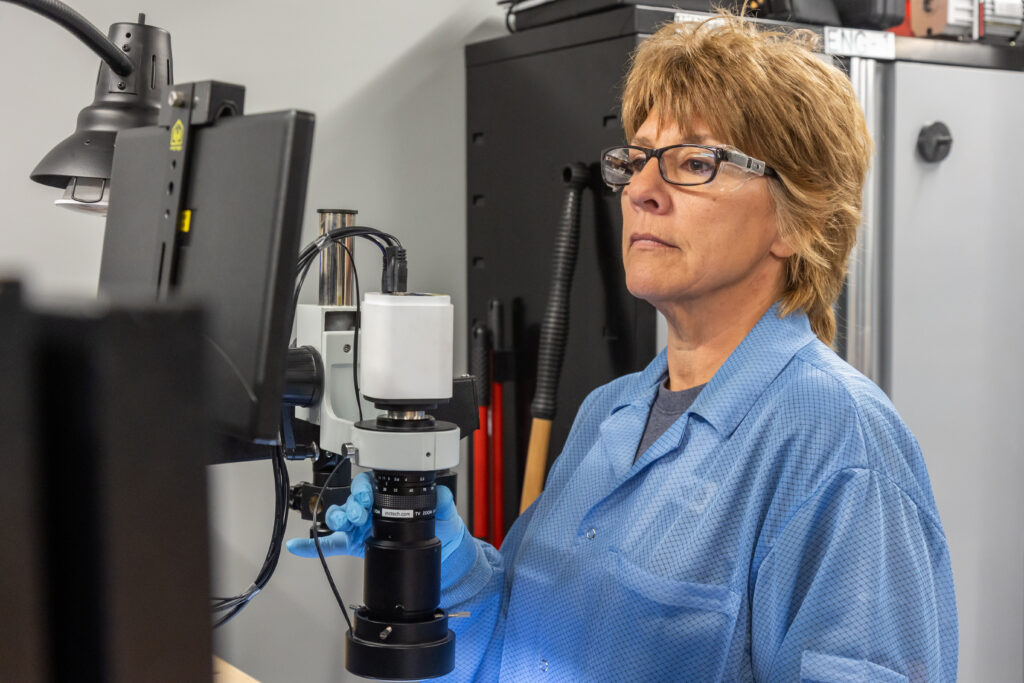
The best companies don’t just hire talent—they develop it. Today’s graduates are increasingly searching for companies that invest in employees, organizations that provide real career growth opportunities, mentorship, and meaningful employee development programs rather than simply offering an entry-level job. For younger and younger generations entering the workforce, the question is no longer just “Where can I get hired?” but “Where can I build skills, grow professionally, and create a long-term career?” The companies that understand this shift—and actively invest in their people—are the ones attracting the most motivated, ambitious young professionals today.
Why Younger Generations Are Looking for Companies That Invest in Employees
Younger generations are entering the workforce with a different perspective on work than previous generations. Having grown up during rapid technological change, economic uncertainty, and a global pandemic, many young professionals recognize that adaptability and continuous learning are essential for long-term career success. As a result, they are actively seeking companies that invest in employees, organizations that prioritize skill development, mentorship, and real opportunities for advancement.
Unlike earlier generations who may have prioritized job stability alone, the next generations are placing a strong emphasis on career growth opportunities. They want roles that allow them to learn new technologies, contribute to meaningful projects, and develop expertise that will remain valuable throughout their careers. Access to structured employee development programs, training initiatives, and mentorship opportunities signals that a company is committed to helping employees succeed—not just filling positions.
Transparency and purpose also play an important role in how the next generation of the workforce are evaluating employers. Young professionals are more likely to choose organizations where leadership encourages learning, supports internal mobility, and invests in entry-level career development. When employees can clearly see pathways for advancement and skill development, they are far more likely to stay engaged and committed to the organization’s mission.
For employers, this shift presents a clear opportunity. Companies that create environments focused on growth, learning, and professional development are better positioned to attract the next generation of talent. By investing in their people, organizations not only support individual success—they also build stronger teams, foster innovation, and create a more resilient workforce for the future.
What It Means When a Company Invests in Employees
When a company truly invests in its employees, it goes beyond simply offering a paycheck and basic benefits. It creates an environment where people are encouraged to grow, learn new skills, and take on increasing responsibility over time. For early-career professionals especially, this kind of support can make the difference between feeling stuck in a role and building a meaningful long-term career.
One of the most common ways companies demonstrate this commitment is through structured employee development programs. These programs often include formal training, mentorship opportunities, and access to learning resources that help employees strengthen both technical and professional skills. Whether it’s learning new tools, gaining industry knowledge, or developing leadership abilities, these programs show that a company is willing to invest time and resources into helping its people succeed.
Mentorship is another key component. Companies that prioritize development often connect newer employees with experienced professionals who can provide guidance, share insights, and help navigate career decisions. This type of mentorship not only accelerates learning but also helps employees feel supported as they grow within the organization.
Investment in employees also appears through career growth opportunities and internal mobility. Organizations that encourage employees to explore different roles, take on challenging projects, or move into leadership positions create a culture where development is part of everyday work. Instead of remaining static, employees gain exposure to new ideas, technologies, and responsibilities that broaden their experience.
Ultimately, companies that invest in employees recognize that people are their most valuable asset. By supporting continuous learning and professional development, they build stronger teams, encourage innovation, and create a workplace where individuals are motivated to contribute their best work.
Career Growth Opportunities Matter More Than Ever
For today’s graduates, choosing where to start their careers is about more than landing an entry-level position—it’s about finding a place where they can grow. Career growth opportunities have become one of the most important factors a new employees considers when evaluating potential employers. Young professionals want to know that their first job will help them build valuable skills, expand their knowledge, and create momentum for the future.
Rapid technological advancement has made continuous learning essential in nearly every industry. Skills that are relevant today may evolve quickly, and professionals who want to stay competitive must continue developing their expertise. Companies that offer strong entry-level career development programs give employees the tools they need to keep pace with these changes while building confidence in their abilities.
Growth opportunities can take many forms. Employees may gain experience by working on complex projects, collaborating with teams across different departments, or learning new technologies that expand their capabilities. These experiences not only deepen technical knowledge but also help develop problem-solving, communication, and leadership skills.
Organizations that prioritize development also create clearer pathways for advancement. When employees understand how their roles can evolve—whether through promotions, expanded responsibilities, or leadership opportunities—they are more motivated to invest their energy and creativity into their work. This sense of direction transforms an entry-level job into a stepping stone for a long-term career.
Ultimately, companies that provide meaningful career growth opportunities benefit just as much as their employees. When organizations cultivate talent from within, they build stronger teams, retain institutional knowledge, and develop leaders who understand the company’s mission and culture. For young professionals, this kind of environment is not just appealing—it’s essential.
The Difference Between a Job and a Career
At first glance, a job and a career may seem like the same thing—but for many professionals, especially those just entering the workforce, the distinction is significant. A job typically focuses on immediate tasks and short-term compensation. A career, on the other hand, represents a long-term journey of growth, skill development, and increasing responsibility.
In a job-focused environment, employees may perform the same tasks day after day with limited opportunities to learn new skills or take on greater challenges. While this type of role can provide stability and income, it may not offer the development opportunities that help individuals progress professionally. For many college graduates, that lack of growth can quickly lead to disengagement.
A career-oriented environment looks very different. Companies that invest in employees focus on entry-level career development, mentorship, and exposure to new challenges. Early-career professionals are encouraged to learn from experienced colleagues, contribute to meaningful projects, and expand their knowledge beyond their initial job description. Over time, these experiences help employees build the expertise and confidence needed to take on larger responsibilities.
This is where career growth opportunities become critical. Organizations that provide clear pathways for advancement allow employees to see how their work today contributes to their long-term future. Promotions, leadership development programs, and cross-functional learning opportunities all signal that a company values internal growth.
Ultimately, the difference between a job and a career comes down to investment. Companies that invest in employees create environments where individuals can continuously learn, develop new capabilities, and build a lasting professional path. For young professionals deciding where to begin their journey, that distinction can shape not just their first role—but the trajectory of their entire career.
How to Identify Companies That Truly Invest in Their People
For recent graduates and early-career professionals, it can sometimes be difficult to tell whether a company genuinely prioritizes employee development or simply talks about it in recruiting materials. Fortunately, there are several clear indicators that reveal whether an organization truly invests in its people.
One of the strongest signals is the presence of structured employee development programs. Companies that take development seriously often provide formal onboarding, ongoing training opportunities, and resources that help employees build both technical and professional skills. These programs demonstrate that the organization is committed to helping employees grow beyond their initial roles.
Another important factor is mentorship. Companies that invest in employees frequently connect new hires with experienced professionals who can offer guidance, answer questions, and provide career advice. Mentorship helps accelerate learning and gives younger professionals insight into the industry, company culture, and long-term career paths.
Clear pathways for advancement are also a key indicator. Organizations that support career growth opportunities make it possible for employees to move into new roles, take on larger responsibilities, and develop leadership skills over time. Whether through promotions, expanded project ownership, or cross-functional collaboration, these opportunities show that the company values internal growth.
Prospective employees can also learn a great deal by observing how companies approach learning and innovation. Organizations that encourage continuous improvement often provide access to industry training, support professional certifications, or allow employees to participate in challenging projects that stretch their abilities.
Finally, culture matters. Companies that truly invest in their people foster environments where questions are welcomed, ideas are encouraged, and learning is part of everyday work. When leadership supports development and employees feel empowered to grow, the workplace becomes a place where individuals can build not just a job—but a long-term career.
Why Investing in Employees Benefits Companies Too
While employee development is clearly valuable for individuals, the benefits extend just as strongly to the organizations that prioritize it. Companies that invest in employees consistently see stronger performance, higher engagement, and better long-term stability. In today’s competitive talent market, supporting professional growth is not just a benefit—it is a strategic advantage.
One of the most immediate benefits is improved employee retention. When professionals feel supported in their development and see clear career growth opportunities, they are far more likely to remain with the organization. High turnover can be costly, requiring companies to spend time and resources recruiting, hiring, and training new employees. Investing in existing team members helps reduce these costs while preserving valuable institutional knowledge.
Employee development also strengthens innovation and problem-solving. When individuals are encouraged to learn new skills, explore new technologies, and collaborate across teams, they bring fresh perspectives to the organization. Companies that prioritize employee development programs often cultivate a culture where employees feel comfortable sharing ideas and proposing improvements, leading to more creative solutions and stronger business outcomes.
Another advantage is the creation of a strong internal leadership pipeline. Organizations that invest in training and mentorship are able to identify and develop future leaders from within. Instead of relying solely on external hiring for management roles, companies can promote employees who already understand the company’s mission, processes, and culture. This continuity often leads to more effective leadership and smoother organizational growth.
Finally, investing in employees strengthens company culture. When people see that their employer values learning, mentorship, and advancement, it fosters trust and loyalty. Employees are more motivated to contribute their best work when they feel that the organization is equally invested in their success.
In the long run, companies that invest in employees build stronger teams, encourage innovation, and create organizations that are more resilient and adaptable. By prioritizing development today, they position themselves for sustained success in the future.
The Future of Work Belongs to Companies That Invest in Their People
As the workplace continues to evolve, one thing is becoming increasingly clear: organizations that prioritize people will have the greatest long-term success. Technology, industries, and business models will continue to change, but the ability to develop skilled, motivated professionals will remain a company’s most valuable advantage.
Companies that invest in employees build teams that are adaptable, innovative, and prepared for the challenges of the future. By providing meaningful career growth opportunities, mentorship, and continuous learning, these organizations create environments where individuals can grow alongside the company itself.
For the next generation of professionals entering the workforce, this shift is already shaping how career decisions are made. The most attractive employers are no longer defined solely by compensation or job titles, but by their commitment to development, mentorship, and long-term opportunity.
Ultimately, the best companies don’t just hire talent—they build it. Organizations that invest in their people today will be the ones that lead their industries tomorrow, creating workplaces where employees don’t just work, but thrive and grow throughout their careers.
Learn more about getting hands-on work faster here: https://www.windings.com/careers/