Designing High-Performance Motors: Choosing the Right Rare Earth Materials
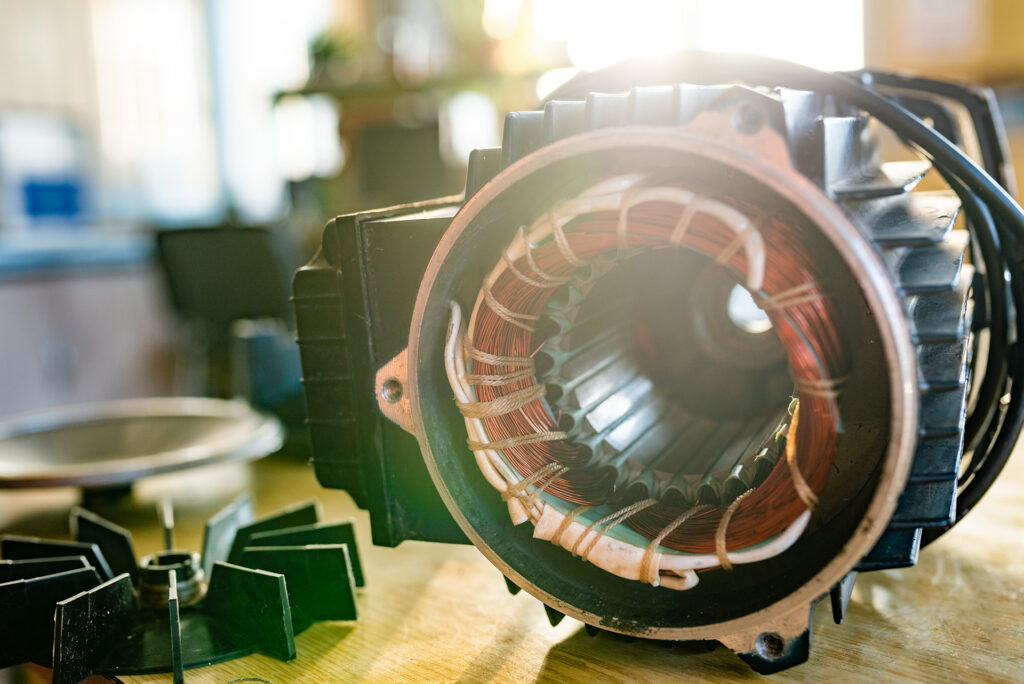
Modern engineering demands components that are smaller, lighter, and vastly more powerful than previous generations. This is especially true in the aerospace and defense sectors, where operating environments push every single component to its absolute physical limits.
Extreme temperatures and aggressive duty cycles constantly threaten to demagnetize standard components. Designing a reliable permanent magnet motor for these conditions requires carefully choosing the right rare earth materials, and this article guides readers through the process of selecting the right rare earth materials for their application.
Fundamental Principles of Electric Motors: The Role of Magnets
As a starting point, let us look closely at the core magnetic components in electric motors. The magnets inside a permanent magnet motor dictate its maximum torque, overall size, and operational efficiency.
Engineers have historically relied on standard ferrite magnets for these designs. Ferrite is inexpensive and easy to produce. However, these standard magnets possess severe limitations in cutting-edge applications.
- Weak Magnetic Fields: Ferrite generates a relatively weak magnetic field compared to modern alternatives.
- Excessive Bulk: Generating enough torque requires a massive volume of ferrite material. This makes the resulting motor incredibly bulky and heavy.
- Weight Constraints: Aerospace and defense applications cannot afford the excess weight and wasted space.
Rare Earth Magnets vs. Neodymium: Is There A Difference?
The shortcomings of ferrite often cause engineers to turn to advanced alloys to reduce weight and increase power. All neodymium magnets fall under the broader category of rare earth materials.
However, not all rare earth magnets are made of neodymium. The term “rare earth” refers to a specific group of elements on the periodic table used to create exceptionally strong permanent magnets.
Neodymium motor magnets offer the highest magnetic strength-to-weight ratio available today. They generate a massive magnetic field from a very small volume of material. This remarkable density allows engineers to drastically shrink the footprint of a permanent magnet motor while maintaining peak performance. High-performance applications heavily favor these materials for precision actuators, robotics, and drone propulsion systems.
Heat Mitigation in Aerospace Assemblies with Rare Earth Materials
The biggest challenge engineers face in aerospace and defense applications is almost always high ambient heat. Extreme friction, high switching frequencies, and aggressive duty cycles generate incredible temperatures.
Standard neodymium materials are highly susceptible to demagnetization at these extreme temperatures. Engineers can specify high temperature neodymium magnets with specialized heavy rare earth additives to improve their thermal tolerance, but even these upgraded grades eventually reach their physical limits in high-stress environments.
As a result, engineers will often choose Samarium Cobalt to survive extreme thermal conditions. Samarium Cobalt is the other major rare earth material used in motor manufacturing. It boasts incredible thermal stability and retains its magnetic strength at temperatures that would completely destroy a standard neodymium component.
The Regulatory Realities of Rare Earth Material Selection
Physics and thermal stability are no longer the only design constraints. Engineers must also navigate strict government regulations when selecting what type of rare earth material to use in an application.
Both Neodymium and Samarium Cobalt are heavily utilized in defense assemblies. The Department of Defense classifies these as covered materials. On May 30, 2024, the government published a final Defense Federal Acquisition Regulation Supplement (DFARS) rule addressing these specific elements.
This rule drastically changes the engineering landscape by enforcing the following mandates:
- Mine-to-Magnet Traceability: Defense contractors must establish and prove full traceability of their materials from the initial mine to the final assembly.
- Sourcing Prohibitions: The rule explicitly prohibits the use of rare earth materials mined, refined, or produced in China and other covered countries.
- The 2027 Deadline: A hard compliance deadline of January 1, 2027 is now in effect.
This means that engineering teams cannot simply choose a Samarium Cobalt or Neodymium magnet based on performance alone. They must select a supplier completely compliant with this 2024 DFARS rule.
Sourcing a Chinese-mined rare earth magnet today sets the stage to disqualify your entire motor assembly for government use by 2027. Finding a trusted motor partner capable of integrating compliant materials is vital for mission-critical aerospace applications.
Your Partner for Supply Chain Resiliency
The right material makes all the difference in extreme environments. Designing a high-performance motor requires balancing thermal constraints, strict weight limitations, and complex regulatory requirements.
Bring your most challenging designs to Windings. Our experienced engineering team can help you select the exact rare earth materials needed to survive your specific application. We combine custom manufacturing capabilities with a fully compliant and heavily vetted supply chain.Contact Windings today to develop the perfect permanent magnet motor and secure your production future against looming regulatory deadlines.